

The short answer: A May–October stay overlaps with hurricane season, as does any summer in Florida. Most summer days are hot with an afternoon thunderstorm, not an emergency. What matters is being prepared: know where official information comes from, know what keeps your rental running if the power goes out, and follow local guidance.
Below: what the season means, what to ask a host, and how our home handles it.

What does hurricane season mean for a summer rental?
The Atlantic hurricane season runs June 1 through November 30, according to the City of St. Petersburg’s hurricane planning guide. Activity usually builds toward late summer and early fall, so a May–October stay covers the whole run-up.
Day to day, a Florida summer looks like heat, humidity and thunderstorms that roll through in the afternoon. A named storm is a different thing: forecasters track them for days, which gives you time to plan. The National Hurricane Center posts forecasts at nhc.noaa.gov.
Know your sources
For official preparedness steps, see the city’s guide above and Ready.gov’s hurricane page. Local officials decide on evacuations, not a host or a rental site.

What should you ask any host before booking a summer stay?
What keeps the house running?
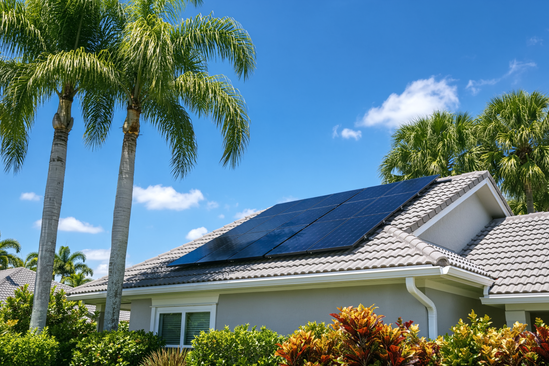
Ask about backup power, not just “we have a generator.” Find out what it actually runs.
What about cooling and internet?
If you work remotely, you need both. Ask what stays on during an outage.
How will the host communicate?
Look for a host who answers quickly and keeps you informed when a storm is in the forecast.
Is there room for your car?
Off-street parking and a garage or driveway matter when you are moving a vehicle ahead of weather.
What supplies are on hand?
Ask what the house provides, and plan to stock your own water, food and medications.
Where is the house?
Ask the host about the neighborhood, then check your evacuation zone through official city and county sources.
What does a normal summer day look like?
Morning
Cooler and clear. Walk to Pinellas Point Park, run errands, or swim.
Midday
Hot. Work from the home office or cool off in the pool.
Afternoon
Thunderstorms are common. Plan indoor time and keep the pool for later.
Evening
Storms clear and the sky turns pink. Head out for dinner or a waterfront walk.
A simple preparedness list
- Sign up for local alerts from the city and county.
- Know your evacuation zone and the official route out.
- Keep your car fueled and your phone charged when a storm is in the forecast.
- Keep key items together: ID, medications, chargers and important documents.
- Follow official guidance, starting with the city’s hurricane guide.
Planning more of your summer? Read our monthly rental page, the best weekend in St. Pete guide and our pet-friendly guide.
Frequently asked questions
Is it OK to rent in St. Pete in summer?
Yes. Many people live in and visit Florida through the summer. Most days are hot with afternoon storms, and named storms are tracked days ahead, which gives you time to plan.
When is hurricane season?
June 1 through November 30. A May–October stay overlaps with most of it.
Does the house have backup power?
Yes. An 11 kW Tesla solar system with batteries that run everything in the house.
Is internet included?
Yes. High-speed internet is included, and the home office has two desks.
How much is a monthly stay?
$4,500 per month for stays of 3 or more months, with utilities up to $175 per month and internet included. We rent May through October, with a 30-night minimum and no maximum.
Can I bring a dog?
Small dogs only, case by case, with a $500 pet deposit. Email us before you book.
Last updated: November 27, 2026.


