


The short answer: St. Petersburg is a strong base for remote workers, and the easiest way to do it is one furnished home for the whole May–October summer. Florida’s rental demand tapers off in summer as seasonal residents head north, so you get a quieter city and an easier time finding a good place.
Below: what to look for in a rental, what summer is really like, and how a six-month stay works at our home.

What should a remote worker look for in a monthly rental?
Fast, included internet
Ask for the plan, not just “WiFi included.”
A real workspace
A desk and a comfortable chair beat the couch for months.
Clear utility costs
A surprise summer A/C bill can erase any savings. Solar helps, so ask whether the house has it.
Backup power
Florida storms can knock out the grid. Ask what keeps the house running.
Laundry and parking
Both matter more on a long stay than a short one.
Flexible terms
A clear minimum stay and no surprise cap on how long you can stay.


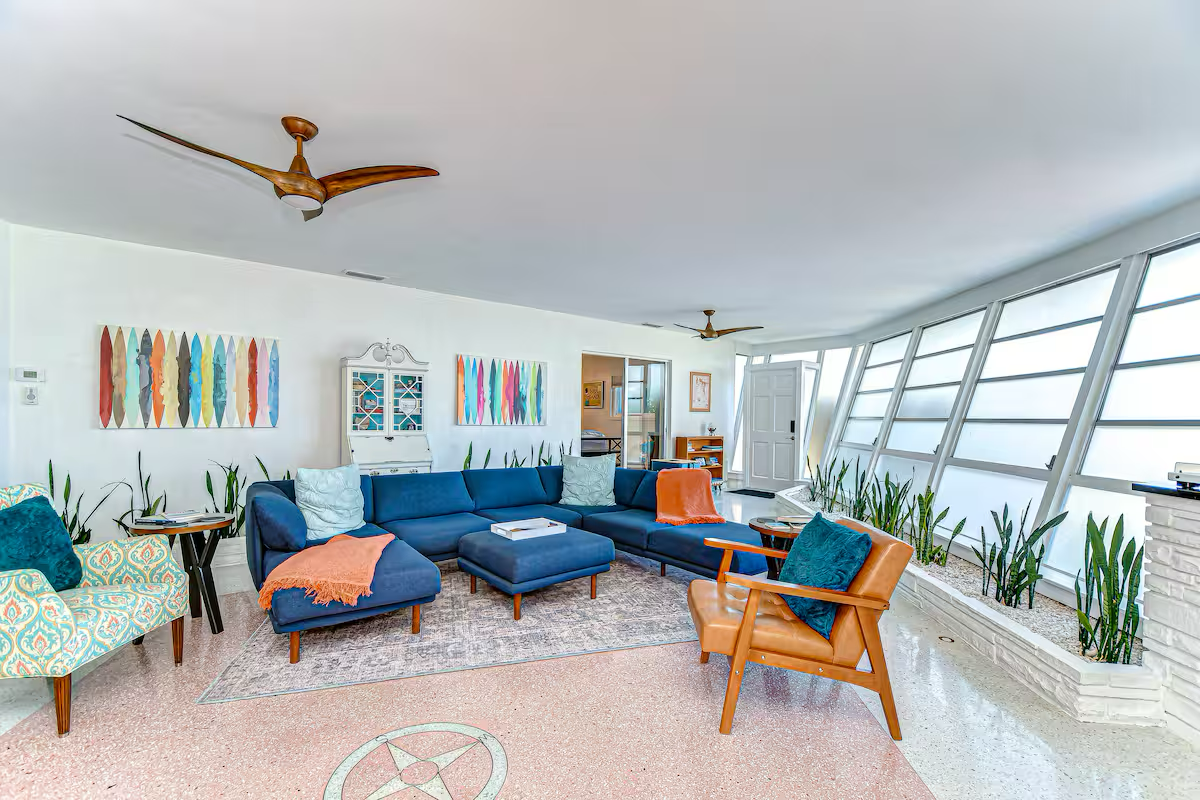
What is summer in St. Pete really like for remote work?
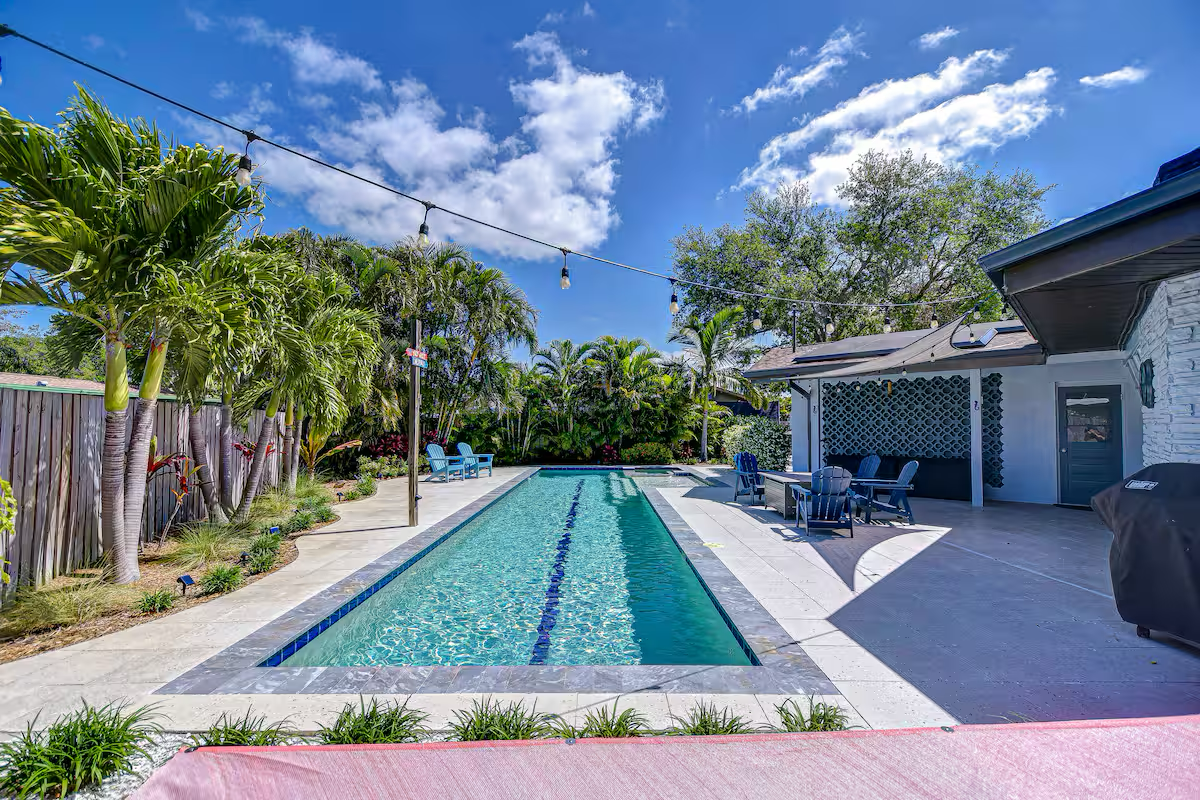
Hot, humid and green. Most days start clear, with thunderstorms common in the afternoon. Remote workers adapt easily: take your outdoor time in the morning and evening, work through the afternoon, and cool off in the pool.
Summer has its own events too, including things to do in St. Pete that fit a work schedule.
About hurricane season
It runs June 1 through November 30, so a May–October stay overlaps with it. That is normal for Florida. Read the city’s hurricane planning guide before any summer stay. Our solar-and-battery system is one reason we are comfortable hosting through the season.
One move
Unpack once and settle into a routine instead of re-searching every four weeks.
One predictable cost
Stays of 3 or more months are $4,500 per month, with no hidden fees on top.
Book direct, save
Booking with us avoids the extra service fees booking platforms add.
See the real St. Pete
Six months shows you the city beyond one trip, useful if you are thinking of moving here.
Minimum stay is 30 nights with no maximum. We rent May through October only and are booking May–October 2027 now.
Where should a remote worker stay in St. Pete?
Downtown
Arts, dining and nightlife within a short walk of each other.
Old Northeast
Historic homes and tree-lined streets, close to downtown but quieter.
Kenwood
Bungalows and a creative, artsy feel.
Grand Central
Walkable, with vintage shops, craft breweries and independent restaurants.
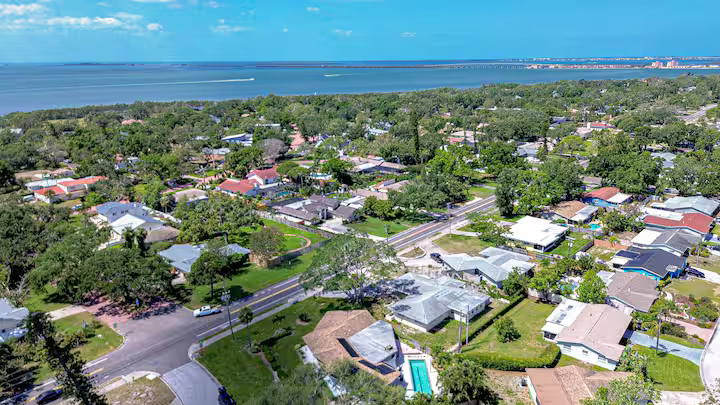
South St. Pete and Pinellas Point (our home)
Quiet, residential and waterfront. We are on Pinellas Point Drive South next to the Pink Streets, and Pinellas Point Park is about a 5-minute walk.
What is there to do after your workday?
Walk to Pinellas Point Park for the Tampa Bay waterfront, or explore more of the city:
Farmers marketsMural walkSt. Pete Beach vs. Clearwater BeachPet-friendly St. Pete

How do I book a six-month stay?
Pick your dates
We rent May through October.
Email us
Tell us your dates and how many guests.
Self check-in
The house uses keyless entry.
Settle in
Work, swim, repeat.
See full details on our monthly rental page.
Frequently asked questions
Is St. Pete good for digital nomads?
Yes. It has a walkable downtown, waterfront parks and a calm residential side. For a long stay, the home matters most: internet, a real workspace, clear utilities and backup power.
What is the best time of year for a remote-work stay?
Winter has the mildest weather and the highest demand. Summer is hotter with afternoon storms, but quieter, and a home with a pool and battery backup makes it comfortable.
How much does a monthly rental cost here?
At our home, $4,500 per month for stays of 3 or more months. Shorter stays vary by season. Utilities up to $175 per month and internet are included.
Is internet included?
Yes. High-speed internet is included, and the home office has two desks.
Can I bring a dog?
Small dogs only, case by case, with a $500 pet deposit. Email us before you book.
What if a hurricane is forecast?
The house has Tesla solar with backup batteries, but a storm warning is still a safety decision. Follow city and county guidance, and talk to us about your plans before you book.
Last updated: November 27, 2026.


